 +91-9580 374 374
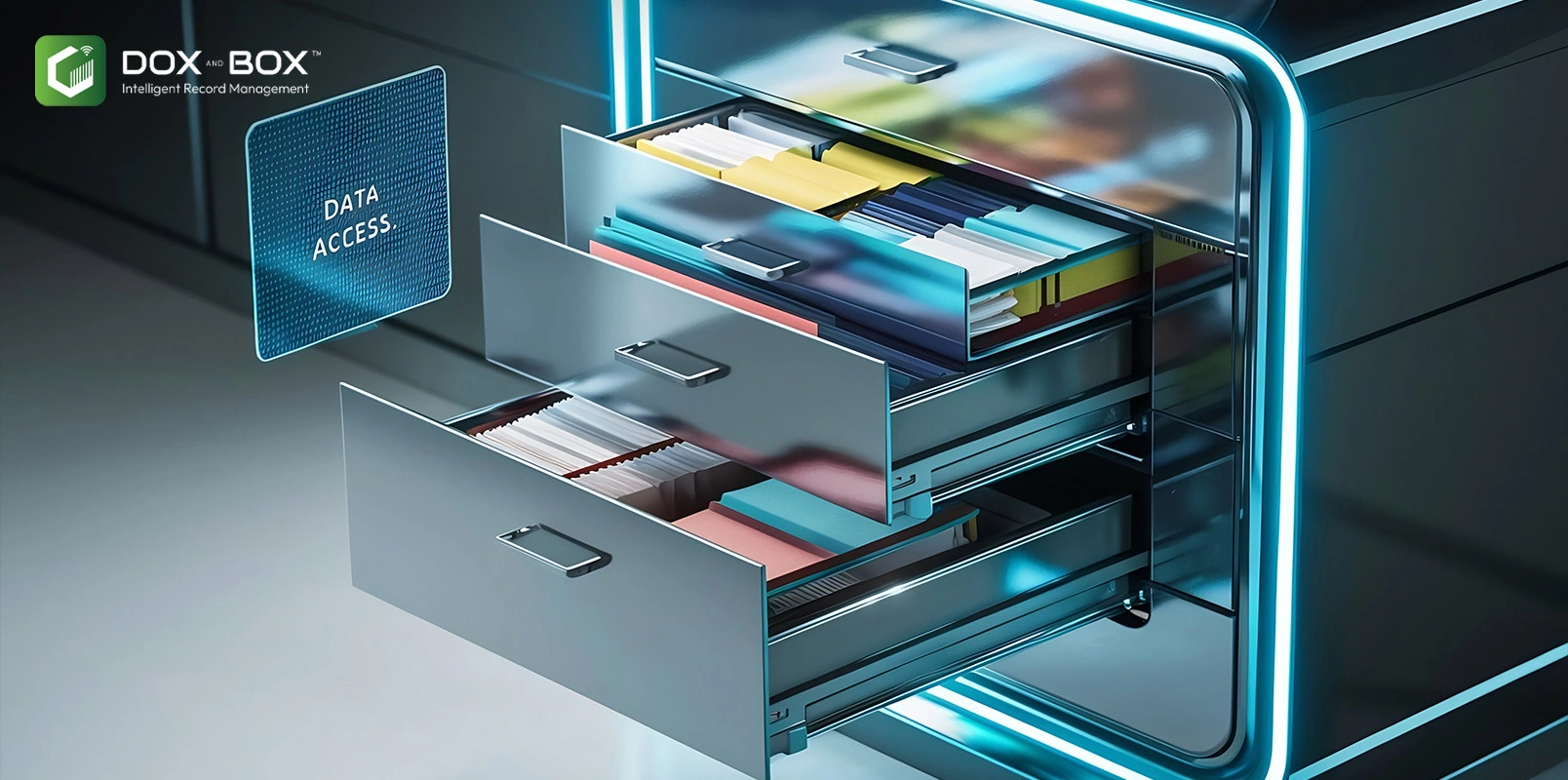
Cloud storage services have become a necessity rather than a luxury in today's world due to the increasing value of data and the need for secure document storage that is easily accessible as storage solutions. In a time where data holds the same value as currency, individuals and businesses require a reliable and efficient method to store and access their information. It is a modern alternative to traditional data storage methods such as hard drives or CDs. Unlike these older methods that rely on physical media, cloud storage utilises off-site, online repositories managed by experts from third-party companies. This means that users can access their data from virtually anywhere as long as they have an internet connection.
The appeal of cloud or digital document storage lies in its unmatched versatility and expandability. It eliminates the limitations of physical storage space, making the concept of running out of space almost obsolete. With cloud storage, users can easily scale up or down their storage needs based on their requirements, without the need to invest in additional hardware. Furthermore, cloud storage often offers advanced data security features, reducing the risks associated with hardware failures or physical damage. These services typically employ encryption techniques to protect data during transmission and storage, ensuring that sensitive information remains secure.
The range of cloud storage services available is vast, catering to various needs. For individuals, cloud storage provides a convenient way to store everyday photos, documents, and other personal files. It offers the ability to access and share these files across multiple devices, making it easy to collaborate with others or retrieve important information on the go. For business work, cloud-based document storage offers a sophisticated system for storing complex databases and large volumes of data. These services often include features like real-time collaboration, file version history, and advanced search capabilities, making it easier for teams to work together and manage their data effectively.
Why Not The Traditional Document Storage Solutions?
Paper-based document storage systems require extensive manual labour for organisation and maintenance. Sorting, filing, and categorising documents can be a labour-intensive process, consuming valuable time and resources. This manual handling also increases the likelihood of human error, leading to misplaced or misfiled documents, further hindering efficiency which makes it more vulnerable in case of future proof document storage. In physical limitations, retrieval challenges are a major drawback of paper-based document storage systems. Locating a specific document within a large collection can be a time-consuming and frustrating task. Employees may need to search through numerous filing cabinets or boxes, wasting valuable time that could be better spent on more productive tasks. This inefficiency can lead to delays in decision-making and hinder overall organisational productivity.
Security vulnerabilities are another significant concern with paper-based document storage systems. Physical documents are susceptible to loss, damage, and theft. Misplaced or stolen documents can lead to serious consequences, such as identity theft, fraud, or unauthorised access to sensitive information. Additionally, paper documents can be easily tampered with or altered, compromising the integrity and authenticity of the information they contain. Also, the environmental impact of paper-based document storage systems cannot be ignored. The production of paper requires the harvesting of trees, contributing to deforestation and habitat destruction. The manufacturing process also consumes significant amounts of water, energy, and chemicals, further depleting natural resources and contributing to pollution, so it has to be environmentally friendly for long term document management. The disposal of paper documents often involves shredding or incineration, releasing harmful emissions into the environment.
In contrast, digital document storage systems offer numerous advantages over their paper-based counterparts. Digital documents can be easily stored, organised, and accessed using electronic databases or cloud-based platforms. This eliminates the physical limitations and retrieval challenges associated with paper documents, allowing for quick and efficient data storage. Digital document storage systems also offer enhanced security measures. Encryption, password protection, and user access controls can be implemented to ensure that only authorised individuals can access sensitive information. Additionally, digital documents can be backed up and stored in multiple locations, reducing the risk of loss or damage.
From an environmental perspective, digital document storage is far more sustainable. It eliminates the need for paper production, reducing deforestation and conserving natural resources. It also reduces the carbon footprint associated with the transportation and disposal of paper documents. The use of paper-based document storage systems presents numerous obstacles that hinder organisational efficiency and security. The physical limitations, retrieval challenges, security vulnerabilities, and environmental impact associated with paper documents make them an outdated and unsustainable method of document storage. Embracing digital document storage systems offers a more efficient
Dox And Box: Modern Solution For Document Storage
Dox and Box also prioritise the security of your documents. With advanced encryption and secure data storage, you can have peace of mind knowing that your sensitive information is protected from unauthorised access. Their platform also includes features such as two-factor authentication and activity logs, providing an additional layer of security and ensuring accountability. In addition to customised document management, Dox and Box offer seamless integration with other popular business tools and software. Whether you use project management software, customer relationship management systems, or communication platforms, you can easily connect and streamline your workflows. This integration eliminates the need for manual data entry and allows for a more efficient and productive work environment.
Dox and Box also understand the importance of collaboration and communication within a team. Their platform includes features such as commenting, task assignment, and notifications, enabling team members to work together seamlessly. You can easily track the progress of projects, assign tasks, and provide feedback, all within the same platform. Dox and Box provide excellent customer support. Their team of experts is available to assist you with any questions or issues you may encounter. They offer training resources, tutorials, and regular updates to ensure that you are getting the most out of their platform.
Overall, Dox and Box offer a comprehensive and user-friendly document management solution that simplifies the way you upload, organise, and share documents with your team. With their secure and scalable platform, you can optimise your document management processes, enhance collaboration, and improve productivity within your organisation.

Content Writer
 Storage