 +91-9580 374 374
Running a large company across India is a big challenge. You might have offices in Mumbai, Delhi, Bengaluru, Kolkata, and Chennai. Every branch creates physical papers and digital files every single day. Over time, local office teams build their own filing habits. One branch relies on physical folders stacked on desks. Another branch saves files on local laptop hard drives. Why do multi-city offices struggle with document control? The main cause is local isolation. Without shared rules, document tracking fails quickly across regions.
The Hidden Costs of Regional Document Chaos
Document mistakes cost real money and waste precious staff time. When each branch acts like a separate island, central team leaders lose visibility. Important contracts get misplaced, and billing records disappear. A study from ARMA International shows that bad record management lowers overall operational efficiency by 15% to 25% in multi-site organizations. Also, research from the University of California, Berkeley reveals that workers spend up to 2.5 hours every day searching for correct files. Without standard document management solutions, your business loses hundreds of working hours every week across 20 or 50 cities.
- Unclear Naming Systems: Local employees name digital files using their own formats, which makes cross-office searches nearly impossible for central compliance teams during regular tax audits.
- Duplicate Records Storage: Staff members save multiple copies of identical contracts across branches, which creates confusion regarding which document holds the valid and final signed terms.
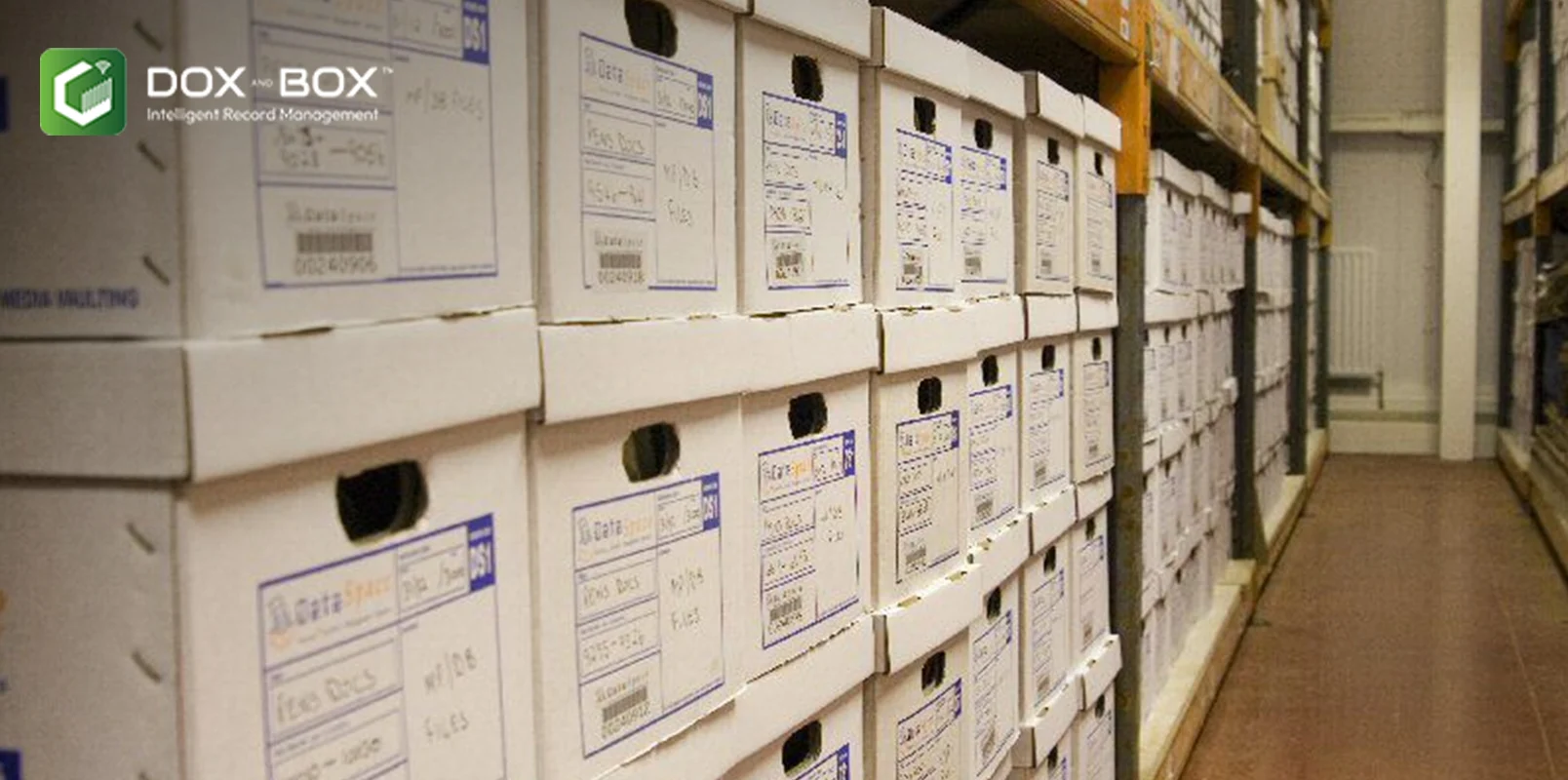
- Unprotected Physical Boxes: Physical paper boxes sit in dark local storerooms without labels, leading to lost files, humidity damage, and government penalties during regional site checks.
How Can an Enterprise Keep Files Safe Across Regions?
How can an enterprise keep files safe across regions? The answer requires a single system for both physical papers and digital records. When you partner with a top document management company in India, you connect all your office locations seamlessly. Central control protects confidential sales data while letting staff access needed files from any city. Physical document vaults use climate control and advanced fire protection to keep paper records secure. Data governance expert Thomas Smedinghoff once said, "Standardization across distributed offices is not just a filing task; it is the core foundation of risk management and compliance."
- Role Based Access Controls: Systems administrators set strict permission rules so branch employees only view local files, while national directors securely review documents from every operating region.
- Secure Offsite Warehousing: Physical documents move to secure offsite facilities with barcode tracking, protecting sensitive papers while clearing valuable office floor space in major commercial cities.
- Digital Scanning on Demand: Field teams request paper documents through a central online portal, allowing warehouse workers to quickly scan and deliver digital files within a few hours.
What Step Comes First When Uniting 50 Branches?
What step comes first when uniting 50 branches? You must build clear standard policies for creating, storing, and destroying records. A unified policy ensures every location follows identical storage rules. Top data and records management companies in India help you create these rules from the ground up. Modern service providers like Dox and Box build custom workflows that fit your exact business structure across India.
Key Steps for Setting Up Standard Operating Rules
- Standard File Indexing: Every branch follows identical indexing guidelines and metadata tags, allowing central staff to execute fast keyword searches across millions of digital files instantly.
- Automated Document Lifecycles: Financial papers follow strict retention timers that alert legal teams the exact day a file completes its required holding period for permanent destruction.
- Continuous Audit Tracking: Built-in tracking systems log every document view, download, and edit, helping security managers spot unusual user activity before data safety breaches happen.
Building a Single Source of Truth Across Cities
Unifying multiple office locations requires steady execution. Combining physical record storage with fast digital scanning builds a smooth workplace experience. Employees no longer need to call other branches to track down paper files. Working with a professional document management company in India removes the heavy burden from your internal team. Choosing Dox and Box ensures that your team in Pune and your management in Hyderabad work from the exact same accurate records every day.
- Reduced Office Rental Costs: Moving heavy file cabinets offsite reduces real estate expenses in prime city centers, allowing you to convert storage space into productive employee workstations.
- Faster Audit Readiness: External tax and legal audits complete in days instead of months because regulators inspect central digital records without visiting dozens of local office branches.
- Disaster Recovery Readiness: Unexpected local power failures or environmental damage at a single regional office will not stop work, as critical files remain safe in backup facilities.
Choosing the Right Partner for Long-Term Growth
Expanding your business network from 10 offices to 50 offices should bring success, not operational trouble. Modern enterprise expansion requires physical security, smart digital archives, and clear data policies. Partnering with an expert document management company in India keeps your multi-city operations running smoothly. Industry leaders like Dox and Box offer the tools you need to organize, protect, and track documents nationwide. When document consistency is guaranteed, your leaders focus on expanding your business with total confidence.

Content writer
 Storage

