 +91-9580 374 374
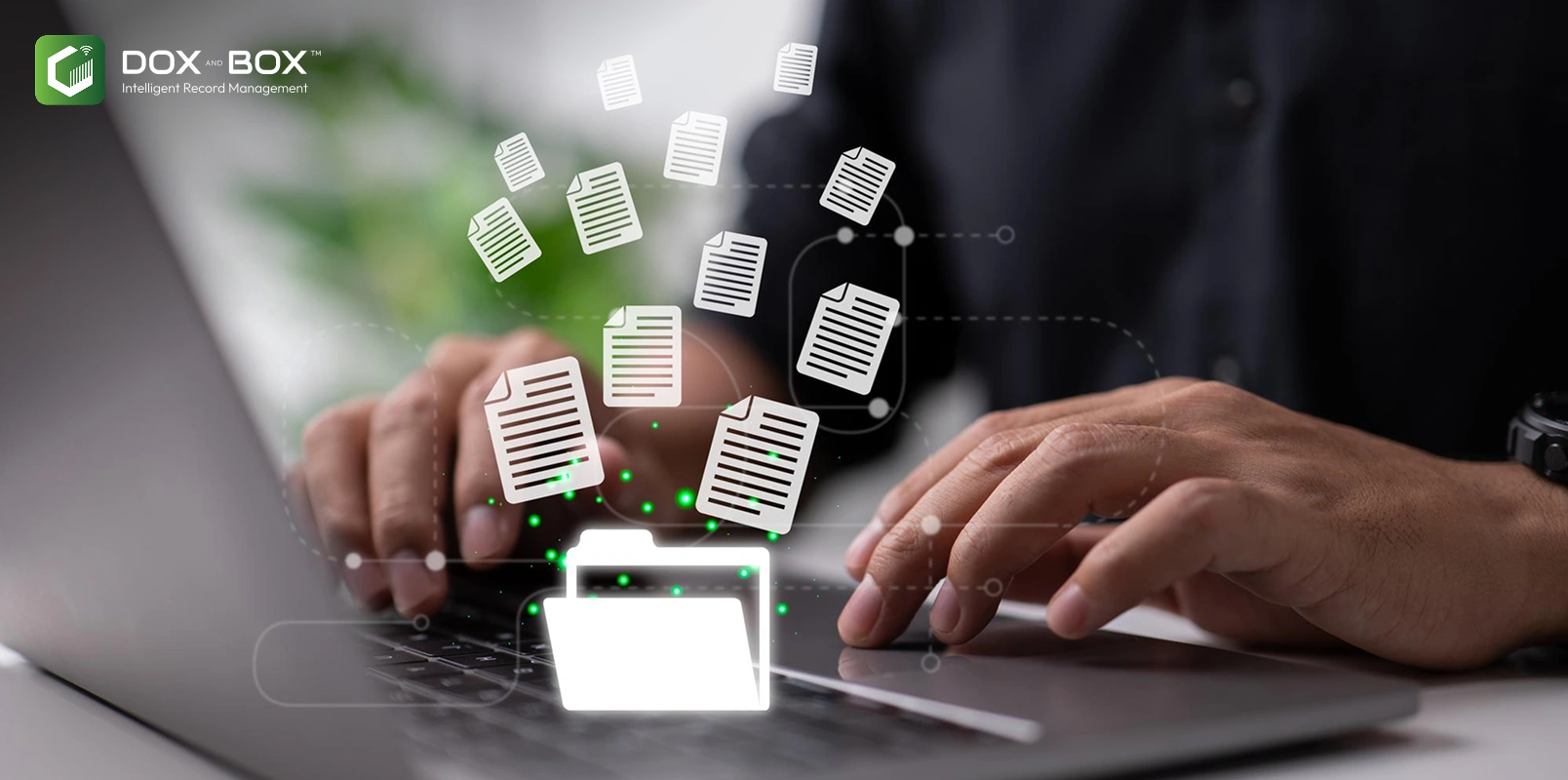
Many businesses still struggle with piles of paper and digital files. Old technology could only turn pictures of text into digital text. This process often required people to sort files by hand. Now, a new technology called Intelligent OCR is changing how companies handle their records. It does much more than just read letters. It understands the data on the page. This shift helps large offices work faster and with fewer mistakes.
The Evolution of Traditional OCR to Intelligent Capture
Early OCR tools were very simple. They scanned a document and tried to match shapes to letters. If a page was messy or tilted, the machine failed. This meant employees had to spend hours checking the results. Modern tools are different because they use artificial intelligence to learn. They can recognize patterns in invoices, contracts, and resumes without human help.
What is the difference between standard OCR and intelligent OCR? Standard tools look at pixels. Intelligent tools look at the meaning of the words. They can find a date or a total price even if it is in a different spot on every page. This is why a document management system company will focus on smart capture today. They want to help clients move away from basic scanning.
- Smart systems use machine learning to get better over time. They learn from the corrections made by users and rarely repeat the same mistake twice in a row.
- The software can identify the type of document automatically. It knows if a file is a tax form or a legal letter without a person telling it first.
- Data extraction happens in seconds rather than minutes. This speed allows a high volume of paperwork to be processed and stored in the digital archive almost instantly.
Why Manual Indexing is Fading in Large Enterprises
Manual indexing is the process of labeling files so they can be found later. In the past, workers had to type in names, dates, and account numbers for every scan. This was slow and boring work. It also led to many errors. One wrong keystroke could make a file disappear in the system forever. Today, a document management system company uses automation to solve this.
Why are big businesses finally stopping manual data entry? The main reason is cost and scale. Large firms handle millions of pages. Paying people to type that data is too expensive. Automated indexing is much cheaper and more accurate. This technology helps any document management company provide better value to its clients. It allows staff to focus on important tasks instead of data entry.
- Automated indexing reduces human error by over ninety percent. Computers do not get tired or bored when they have to read thousands of similar-looking invoices every day.
- Searching for files becomes much easier for the employees. They can find a specific record by searching for any keyword found within the text of the entire document.
- Digital files are indexed the moment they enter the system. This means there is no backlog of unfiled paperwork waiting for a human clerk to finish their work.
Understanding the Role of Artificial Intelligence
Artificial intelligence is the brain behind intelligent OCR. It uses neural networks to mimic how humans read. It does not just see a string of numbers. It recognizes that those numbers represent a phone number or a zip code. This level of understanding is what separates Dox and Box from basic scanning services. They use these smart tools to organize data effectively.
Many of the top document management companies now offer AI-driven tools. These tools can even handle handwriting. In the past, handwritten notes were impossible for computers to read. Now, the software can interpret messy writing with high accuracy. This is a huge win for industries like healthcare and law, where handwritten signatures are common.
- Natural Language Processing helps the machine understand the context of a sentence. It can tell the difference between a person named Rose and a rose flower.
- The system can flag missing information automatically. If an invoice is missing a signature or a date, the software sends an alert to the manager right away.
- AI tools can export data directly into other software. The information moves from the paper page into the accounting or payroll system without any human typing involved.
Quantifying the Impact: The Real-World Efficiency of Smart Capture
The growth of this technology is backed by strong data. According to research from AIIM.org, nearly 80% of enterprise information is stored in unstructured formats like images and emails. This is a massive amount of data that basic systems cannot handle. A modern document management system company must use intelligent OCR to unlock this information for its clients.
Another study from Stanford.edu suggests that automation in data processing can save large firms millions of dollars per year. By using smart tools, a document management system company can help a firm recover lost hours. These statistics show that smart OCR is not just a trend. It is a necessary tool for survival in a digital world.
- Global spending on intelligent document processing is expected to grow by twenty percent each year. More businesses are realizing that manual work is a waste of money.
- Companies using AI for document capture report a sixty percent increase in productivity. This allows them to handle more customers without hiring more administrative staff members.
- The accuracy of AI reading has reached 99% for printed text. This high level of precision makes it more reliable than a human worker who is tired.
The Human Element: Why Experts Advocate for Smarter Systems
Experts agree that the future is fully automated. John Mancini, a well-known figure in the information management industry, once said: "Information management is about more than just data. It is about how people work." This quote highlights that technology should make jobs easier. By using Dox and Box, companies can improve how their teams function every day.
How does this technology improve security? When a machine handles data, fewer people see sensitive information. This reduces the risk of data leaks. A smart system can also track who accessed a file and when. This creates a clear trail for audits. Using a service like Dox and Box ensures that your records stay safe and private.
- Security settings can be applied to documents automatically based on their content. If a file contains a social security number, the system restricts access to managers.
- Encryption is used during the OCR process to protect data. This ensures that hackers cannot read the information while it is being moved into the digital storage.
- Automated systems follow strict compliance rules without fail. They ensure that documents are stored and deleted according to the legal requirements of each specific industry.
Moving Forward with Intelligent OCR
The transition to intelligent OCR is a big step for any office. It marks the end of the filing cabinet era. It also marks the beginning of the data era. Information is now a tool that can be used to make better decisions. Organizations that embrace this change will lead their industries. Those who stick to old ways will likely fall behind.
Choosing the right partner is the first step in this journey. You need a team that understands the complex nature of your files. They should offer tools that learn and grow with your business. This is where professional services can help you build a better workflow. Smart indexing is the key to a modern and efficient workplace.
- Start by auditing your current document processes. Identify where your team spends the most time on manual entry to find the best areas for automation.
- Look for a platform that integrates with your existing tools. The best systems work well with the software your team already uses every single day.
- Train your staff on how to use the new search features. Once they see how fast they can find files, they will never want to go back.
In summary, intelligent OCR is more than a scanning tool. It is a way to turn paper into knowledge. By working with a professional document management system company, you can eliminate manual indexing forever. This allows your team to focus on growth and innovation. The technology is ready to help your business reach its full potential today. For those looking for top-tier support, Dox and Box provides the expertise needed to manage this digital transformation.

Content Writer
 Storage