Logo

Document Management for Organized and Accessible Records

Managing documents across different formats, departments, and storage locations can make everyday information retrieval difficult. Our Document Management solutions help organizations organize, store, track, retrieve, and manage business records through structured processes. By bringing document handling into one coordinated framework, businesses can reduce manual effort and maintain better control over important information.

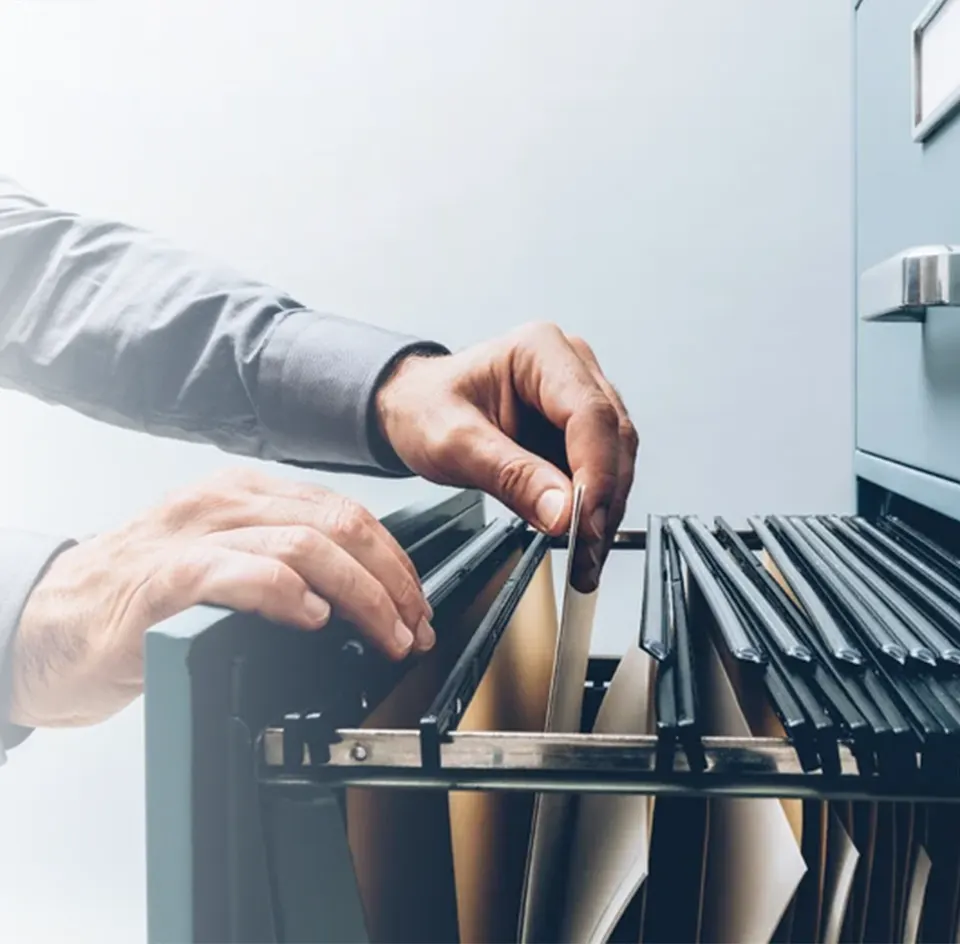
From physical records and archived files to digitized documents, organizations can create more consistent ways to manage information throughout its lifecycle. This helps teams locate records when required, maintain proper document control, and handle business information more efficiently.

Contact Us
banner-image
SERVICE OVERVIEW

Managing business records becomes more difficult as document volumes grow across departments, offices, and storage facilities. Our Document Management solutions help organizations organize records for storage, indexing, tracking, retrieval, digitization, and controlled access.

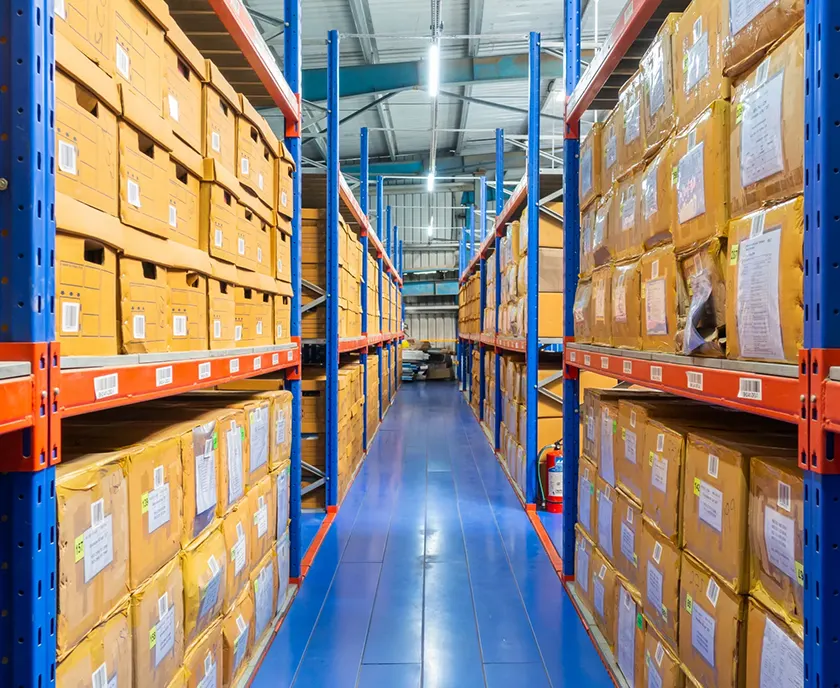
Dox and Box provides a document management service for physical and digital records. Businesses can securely store archived files, track physical boxes, retrieve records when needed, and convert paper documents into searchable digital formats through scanning and OCR.

These services also support retention, access control, and audit trails, helping organizations maintain better control over sensitive business information.

Advanced Document Management Infrastructure

First Section Image

Dox and Box combines structured records management with digitization and technology-led document processing to help organizations manage information more efficiently. Its solutions support physical and digital records across storage, indexing, tracking, retrieval, scanning, and secure information management.

As a document management company, we help businesses maintain organized records while improving access and visibility across their document workflows.

  • Secure storage and management of physical business records
  • Barcode-based indexing and tracking of stored files and boxes
  • Faster retrieval of archived documents when required
  • Scanning and digitization of paper-based records
  • OCR for creating searchable digital documents
  • Structured indexing and metadata management
  • Centralized management of digitized documents and records 
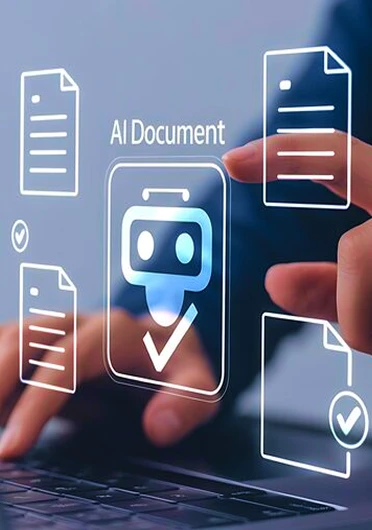
  • AI-driven document processing and data extraction
  • Document classification and information validation
  • Role-based access and controlled document handling
  • Audit trails for improved document activity visibility
  • Retention and secure document lifecycle management
  • Integration with existing enterprise systems for streamlined document and data workflows
Streamlined Control, Reduced Overhead

Simplify governance with faster, secure data operations.

Transform Your Data Operations
95%

Efficiency Boost

99%

Compliance Accuracy

60%

Cost Reduction

SECURITY AT THE CORE

Protecting Business Records Through Controlled Document Management

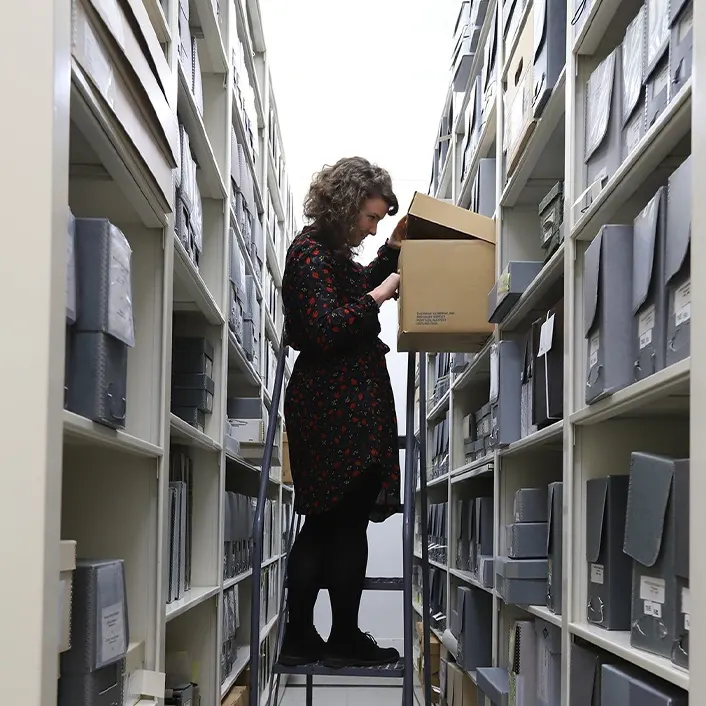
Business records can contain confidential financial, legal, employee, customer, and operational information. Managing these records securely requires controlled access, reliable storage, and clear visibility into document activity. Our solutions help organizations protect sensitive information while keeping authorized records accessible when required.

Role-based access controls help limit document access to designated users, while tracking and audit mechanisms provide greater visibility into document activity. Secure storage, controlled retrieval, and structured handling processes also help organizations maintain accountability across physical and digital records.

By combining document security with organized storage and lifecycle controls, businesses can reduce unnecessary exposure of sensitive information and maintain better control over critical records.

second Section Image
Blur
QuotesPradeep Chopra
Pradeep ChopraContent Writer

Doxandbox streamlined our document workflows and eliminated manual bottlenecks. The system is secure, reliable, and easy for teams to adopt. We’ve seen faster turnaround times and better compliance tracking, improving operational efficiency while reducing costs.

FREQUENTLY ASKED QUESTIONS

Your questions, our answers

Yes. Document management can bring records from different offices, departments, and storage facilities into a more organized framework. Physical records can be indexed and tracked, while digital records can be scanned, categorized, and managed through structured repositories.

Digitized documents can be indexed and converted into searchable files using technologies such as OCR. They can then be organized for easier access and managed according to applicable retention and document-handling requirements.

Large archives can be organized through systematic indexing, barcoding, metadata, and tracking. This makes it easier to identify specific records, monitor their location, and retrieve files without manually searching through large volumes of stored documents.

Yes. A document management approach can cover active business records as well as legacy archives. Older paper files can be assessed, scanned, indexed, and digitized where required, while physical records that need continued storage can remain tracked and securely managed.

Documents can be managed through defined storage, access, tracking, retention, retrieval, and disposition processes. This helps organizations maintain clearer control over records while they are stored, digitized, retrieved, retained, or prepared for secure destruction.